Best Doctors for Brain Hemorrhage Surgery in Gurgaon, Delhi NCR, India
Brain Hemorrhage – Causes, Symptoms, Diagnosis and Treatment
What is a Brain Hemorrhage?
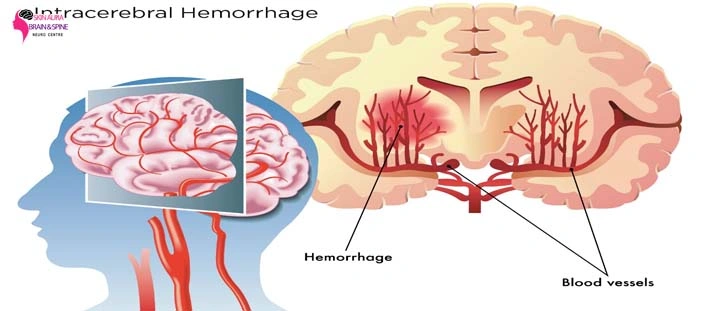
A brain hemorrhage is a life-threatening type of stroke that occurs when a weakened artery bursts and bleeds inside or around the brain. The leaking blood increases pressure inside the skull and damages the surrounding brain tissue, and the brain cells deprived of oxygen begin to die within minutes. The word “hemorrhage” comes from Greek and means “blood bursting forth.” Depending on where the bleeding occurs, it may be called a cerebral, intracerebral or intracranial hemorrhage. Hemorrhagic strokes account for roughly 10–15% of all strokes, but they are among the most serious and need urgent specialist care.
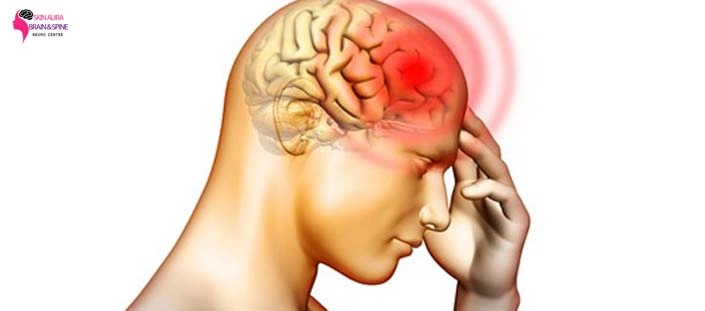
The common triggers include uncontrolled high blood pressure, drug abuse, abnormally weak blood vessels and head trauma. Because a hemorrhage can affect movement, speech, vision and awareness, patients may suddenly struggle with everyday tasks such as walking, standing or sitting. Early recognition and fast treatment can make a major difference to survival and recovery.
Emergency alert: A sudden, severe headache with weakness, slurred speech, seizures or loss of consciousness is a medical emergency. Do not wait for the symptoms to pass; take the patient to the nearest hospital with neurosurgical facilities immediately.
Symptoms of a Brain Hemorrhage
Symptoms usually appear suddenly and worsen quickly. Watch for the following warning signs:
- Sudden, severe headache, often described as the “worst headache of life”
- Difficulty talking or slurred speech
- Confusion or difficulty understanding others
- Loss of balance or coordination
- Problems with vision
- Difficulty swallowing
- Seizures
- Stupor, lethargy or unconsciousness
These signs strongly point towards a serious brain problem. People around the patient should arrange immediate medical attention, as every minute of delay can increase the damage.
Causes and Risk Factors of Brain Hemorrhage
Several conditions can lead to a brain hemorrhage. A head injury should never be ignored, because bleeding can develop or worsen hours or days later.
- Head trauma or injuries (falls, road accidents)
- High blood pressure (the leading cause of bleeding within the brain)
- Cerebral aneurysm (a weak, bulging area in a brain artery)
- Blood vessel abnormalities
- Brain tumor
- Blood or bleeding disorders, including the use of blood thinners
- Liver disease
- Drug abuse
How is a Brain Hemorrhage Diagnosed?
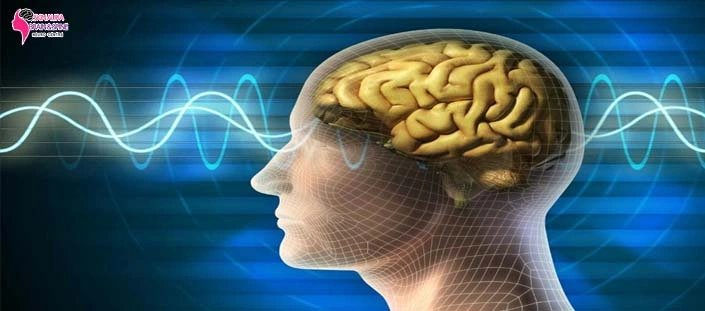
Diagnosis begins with a detailed history and a neurological examination, where the doctor checks for weakness, slurred speech, loss of sensation and changes in alertness. Imaging is then done to locate the bleed and judge its size. A CT scan is usually the first test because it quickly shows fresh blood, while an MRI gives a more detailed picture of the brain tissue. If the cause is still unclear, further tests such as a spinal tap (lumbar puncture) or angiography may be advised to confirm the diagnosis and plan the treatment.
How is a Brain Hemorrhage Treated?
Treatment depends on the location, cause and extent of the bleeding, and the patient’s overall condition. The main goals are to control the bleeding, reduce pressure on the brain and prevent complications.
- Medication: Medicines may be given to control blood pressure, reduce brain swelling, relieve pain and prevent or control seizures.
- Surgery: Surgery may be needed to remove a blood clot, relieve pressure inside the skull or repair a ruptured aneurysm or abnormal blood vessel.
- Intensive monitoring and rehabilitation: Close monitoring in the early days, followed by physiotherapy, speech therapy and occupational therapy, helps patients regain independence.
How Can You Reduce the Risk of Brain Hemorrhage?
Since a brain hemorrhage is linked to several risk factors, these simple precautions can go a long way:
- Keep blood pressure under control through diet, exercise and regular medication. About 80% of patients with cerebral hemorrhage have high blood pressure.
- Always wear a seat belt while driving.
- Wear a helmet when riding a two-wheeler.
- Quit smoking and avoid drug use.
- Get a known aneurysm evaluated, as timely surgery may prevent future bleeding.
- Follow up regularly with your doctor if you are on blood thinners or other long-term medication.
Brain Hemorrhage Treatment in Gurgaon, Delhi NCR
Accurate diagnosis and treatment of a brain hemorrhage should always be handled by a highly qualified neurosurgeon. At Sab Clinic, Gurgaon, Dr. Vikas Kathuria (MBBS, MS, M.Ch Neurosurgery) provides specialised evaluation and brain hemorrhage surgical treatment in Gurgaon, Delhi NCR. Patients from Gurgaon, Delhi, Noida, Faridabad and nearby areas can consult the clinic if they notice any symptoms of a brain problem. Maintain a healthy lifestyle, exercise regularly and go for periodic check-ups to control blood pressure and prevent complications.
Frequently Asked Questions (FAQs)
1. What is the difference between a brain hemorrhage and a stroke?
A stroke is a broad term for reduced blood supply to the brain. A brain hemorrhage is one type of stroke, known as a hemorrhagic stroke, where a blood vessel bursts and bleeds. The other type, ischemic stroke, happens when a clot blocks blood flow.
2. What are the first signs of a brain hemorrhage?
The most common early signs are a sudden, severe headache, vomiting, weakness on one side of the body, slurred speech, confusion, vision problems and seizures. Anyone showing these signs needs emergency care right away.
3. Can a person recover from a brain hemorrhage?
Many patients improve, especially when treated early. Recovery depends on the size and location of the bleed, the patient’s age and health, and how quickly treatment starts. Rehabilitation such as physiotherapy and speech therapy plays an important role.
4. When is surgery needed for a brain hemorrhage?
Surgery may be advised when the bleed is large, pressure on the brain is rising, or a ruptured aneurysm or abnormal blood vessel needs repair. A neurosurgeon decides this after reviewing the scans and the patient’s condition.
5. Which tests are done to diagnose a brain hemorrhage?
A CT scan is usually done first, followed by an MRI if more detail is needed. In some cases, angiography or a lumbar puncture may be advised to find the cause of the bleeding.
6. Can high blood pressure cause a brain hemorrhage?
Yes. Long-term uncontrolled high blood pressure weakens the walls of brain arteries and is the most common cause of bleeding inside the brain. Regular monitoring and taking prescribed medicines help lower the risk.
7. Can a head injury lead to a brain hemorrhage later?
Yes. After a head injury, bleeding can sometimes develop hours or days later. Severe headache, vomiting, drowsiness or confusion after an injury should be checked by a doctor without delay.
8. Who is the best doctor for brain hemorrhage treatment in Gurgaon?
A qualified neurosurgeon is the right specialist. At Sab Clinic, Gurgaon, Dr. Vikas Kathuria (MBBS, MS, M.Ch Neurosurgery) evaluates and treats brain and spine conditions, including brain hemorrhage.
9. How can I book a consultation at Sab Clinic, Gurgaon?
You can call the clinic or use the appointment form on this page to book a consultation with the neurosurgeon.