
Best Spine Tumor Surgery Specialist in Gurgaon, Delhi NCR, India
Spine Tumor – Causes, Diagnoses and Treatment
The development of abnormal cells in and around the spinal cord and spinal nerves is called Spinal Tumor. A Spinal Cord Tumor is the tumor that begins within the spinal cord or covering of the spinal cord (dura) is called the intradural tumor. Tumor affecting the spine bone is called the vertebral tumor. Some tumor can be cancerous (malignant) and some can be non-cancerous (benign). If these are left untreated, the permanent spinal damage can happen. A cancerous tumor may spread to the other parts of the body. Spinal Tumor affects the functioning of vertebrae, nerve roots, blood vessels, meninges and spinal cord.
Various Types of Spinal Tumors:-
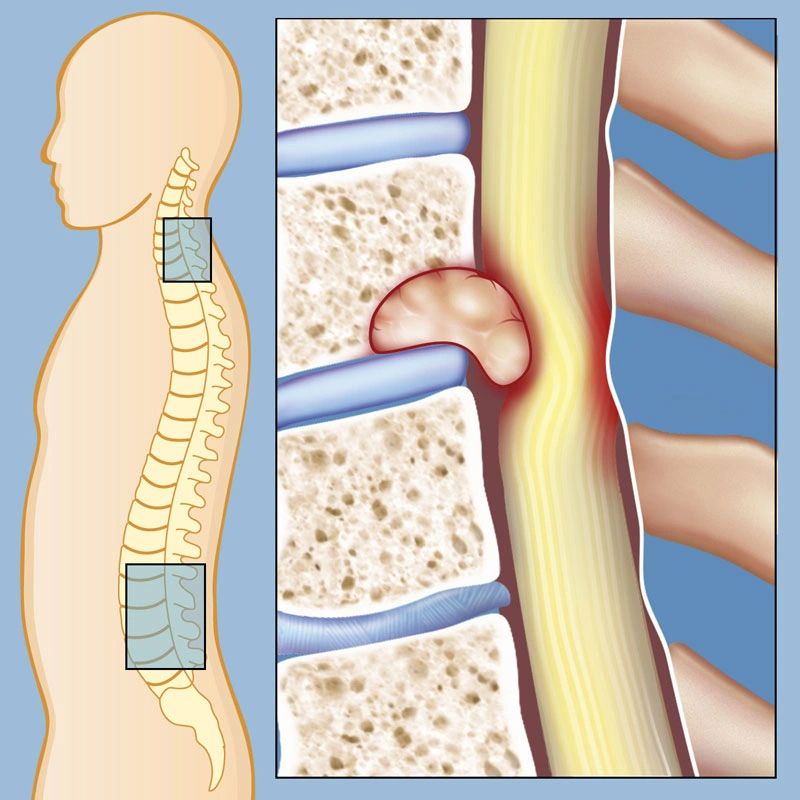
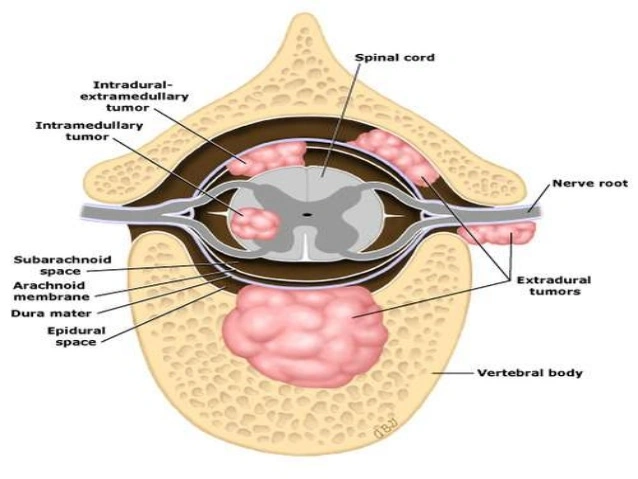
- Intramedullary Tumors: These tumors are built inside the nerves or spinal cord. It occurs from the cells which offer insulation & physical support for the nervous system. These tumors are of cancerous in nature and usually occur in the cervical spinal cord.
It is of three types:-
- Ependymomas
- Astrocytomas
- Gliomas
- Extramedullary Tumors: These tumors grow in the membrane surrounding the spinal cord or nerve roots. These do not begin in the spinal cord itself, although they may affect its function by causing compression and other spinal problems.
Types of Extramedullary Tumors are:-
- Meningiomas
- Neurofibromas
- Schwannomas
- Nerve sheath tumors
- Vertebral Column Tumors
Symptoms of Spinal Tumors:-
The spinal tumor may affect the spinal cord, blood vessels, nerve roots and bones of the spine. One may experience the following symptoms:
- Back pain radiating to other body parts and worsening over time
- Increasing pain with tumor growth
- Loss of bowel or bladder function
- Difficulty walking or increased risk of falls
- Loss of sensation in arms & legs
- Muscle weakness (mild to severe)
- Reduced sensitivity to pain, heat, and cold
- Abnormal sensations in legs, knees, or ankles
- Pain worsens with coughing, straining, or sneezing
Causes of Spinal Tumor:-
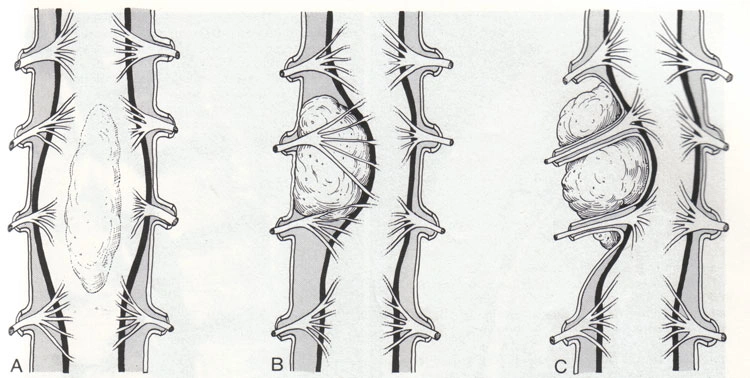
Exact cause of spinal tumors is unclear. It may be related to genetic factors, inherited or developed over time, or environmental exposure to certain chemicals. Unregulated cell growth leads to cancerous or non-cancerous tumors.
Any type of spinal tumor — Leukemia, Lymphoma, or Myeloma — can occur in the spinal nerves. Tumors starting in spinal tissue are called primary spinal tumors, whereas those that spread from other body parts are secondary spinal tumors.
Risk Factors & Complications of Spinal Tumor:-
People having the following diseases are more likely to suffer from Spinal Tumor:
- Neurofibromatosis 2: A hereditary disorder causing benign tumors that affect hearing nerves, sometimes associated with spinal canal tumors.
- Von Hippel-Lindau disease: Linked to blood vessel tumors in the brain, retina, spinal cord, kidneys, and adrenal glands.
Spinal tumors may compress spinal nerves, leading to loss of movement or sensation. If untreated, it can affect bowel/bladder function and cause permanent nerve damage. Early treatment helps prevent further loss of function and can be life-saving.
Diagnosis of Spinal Tumors
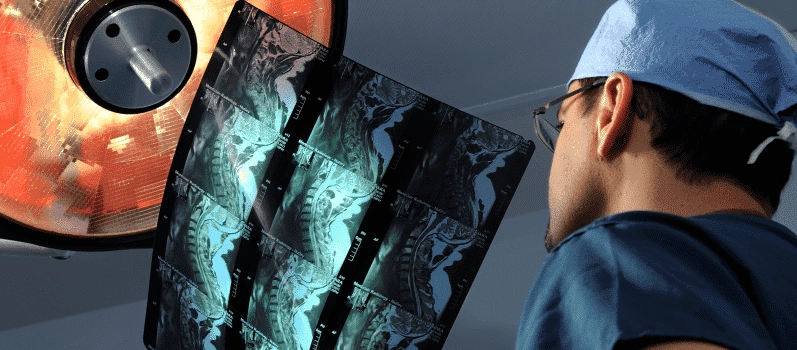
It is difficult to determine spinal tumors without professional testing. Diagnostic tests include:
- Angiogram
- Plain spinal X-rays
- Lumbar puncture
- Myelogram
- MRA (angiogram)
- Electrical conduction tests (during surgery)
- MRI with and without contrast dye
Treatment of Spinal Tumors by Specialist
The goal is to remove the tumor without risking spinal cord or nerve damage. Treatment depends on severity and patient immunity. Common treatments include:
- Monitoring: Regular CT and MRI scans to observe tumor progression.
- Surgery: Removal of tumor using advanced microscopes and imaging to minimize damage. Surgery may cause temporary sensation loss or bleeding but is often effective for external tumors.
- Radiation Therapy: Used when surgery is risky or incomplete. Kills remaining tumor cells; may cause nausea or fatigue.
- Chemotherapy: Uses drugs (oral or injection) to destroy or slow cancer cell growth. Often combined with radiation for better results.
Other available treatments include:
- Spinal Decompression Surgery
- Spinal Stenosis Surgery
- Radiosurgery (Cyberknife)
- Medication and drug therapy
Spinal Tumor should not be ignored as it may become life-threatening. Consult a neurosurgeon in Gurgaon for proper evaluation and best treatment of Spinal Tumor in Gurgaon.