Advanced Stretch Marks Treatment in Gurgaon, Delhi NCR
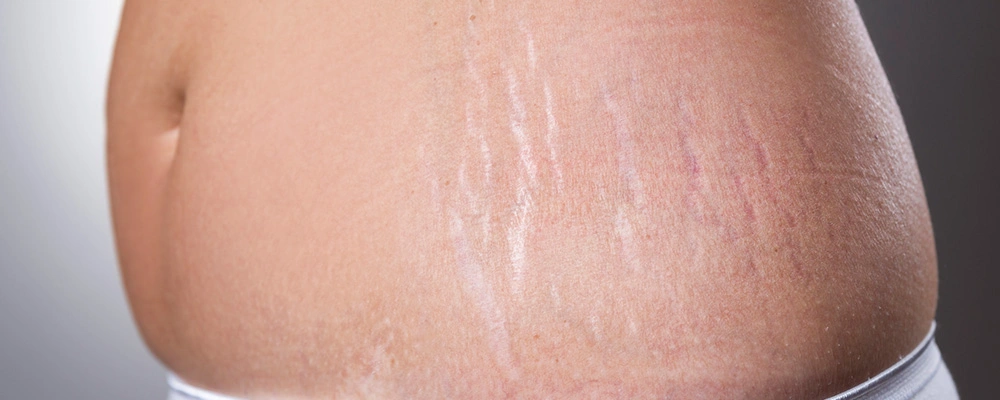
Stretch marks are tiny streaks or lines that different in color and texture from normal skin. Stretch marks may feel like a scratch in the skin. These grooves are not naturally dangerous, but they can have an impact on your self-esteem, which is why many individuals seek an effective Stretch Marks Treatment to restore smoother, more even-toned skin.
The occurrence of stretch marks is linked with excessive stretching of the skin over a period of time, which then loses its tendency to resume to normal. The skin loses its elasticity with the lack of collagen (a protein compound) in the skin, which leads to stretches. The major causes of these narrow stripes are:
- Sudden weight changes
- Pregnancy
- Adolescence
- Surgeries for breast implant
- Body building
- Genetic disorder
- Steroids
The swell marks can appear anywhere on the body, depending on the affected area. These marks might be pink, purple, or grey in color. Stretch marks are most commonly found on the breasts, upper arms, stomach, thighs, back, and buttocks.
Who is at Risk?
Being pregnant: The appearance of stretch marks is common during or after pregnancy as it causes excessive stretching of the skin around the stomach. Hormone pills during pregnancy can also lead to weakening of skin cells that cause stretch marks.
Being obese or overweight: Obesity can cause stretch marks in both men and women.
Bodybuilders: People who are engaged in bodybuilding can experience stretch marks on areas where muscles bulge.
Adolescents: During puberty, the body undergoes sudden changes in height, weight, and hormones, which may cause stretch marks.
Genetic disorder: Stretch marks may be caused due to family heredity or genetic conditions.
Medical condition: Conditions such as Marfan syndrome and Cushing’s syndrome reduce skin elasticity. These may also cause sudden weight gain, making the skin prone to marks.
People using corticosteroids: Creams and lotions containing corticosteroids diminish collagen levels in the skin, reducing elasticity and increasing the likelihood of stretch marks.
Diagnosis
Once you decide to treat your stretch marks to achieve even skin, your doctor will first diagnose the condition. During diagnosis, the doctor will look at your stretch marks to assess severity and ask about your medical history to identify possible causes.
Treatment Options
Stretch marks are unwanted, and many people wish to fade them for a smoother appearance. Sometimes, these marks fade naturally over time. However, if not, or if you desire faster results, there are several treatment options available.
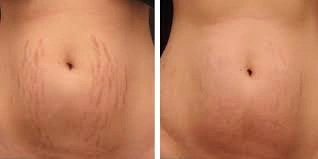
Some medical treatments to fade the appearance of stretch marks include:
- Tretinoin creams: These contain Retin-A (a retinoid) that helps restore collagen in the skin, improving elasticity and repair. Best for new, pink stretch marks. May irritate skin — not recommended during pregnancy.
- Fractional CO₂ laser therapy: Uses laser energy to target smaller regions of stretch marks on the skin effectively.
- Microdermabrasion: Effective on both new and old stretch marks. It involves skin rejuvenation by polishing the skin with tiny crystals to sand away rippled areas and reveal smoother, more elastic skin.
- MNRF: Microneedling radiofrequency uses variable needle depths to target different dermal layers, stimulating new collagen growth for better skin texture.
Prevention Tips
It’s difficult to completely prevent stretch marks, but you can follow these habits to reduce their appearance:
- Maintain a healthy weight through regular exercise.
- Eat a balanced diet rich in vitamins A and C, as well as zinc and silicon, to support skin elasticity.
- Manage gradual weight gain and loss during and after pregnancy.
- Drink at least two liters of water daily.
- Use creams, oils, and lotions to reduce the severity and visibility of marks.