Why Acne Keeps Coming Back | skin clinic in Gurgaon | SAB Clinic
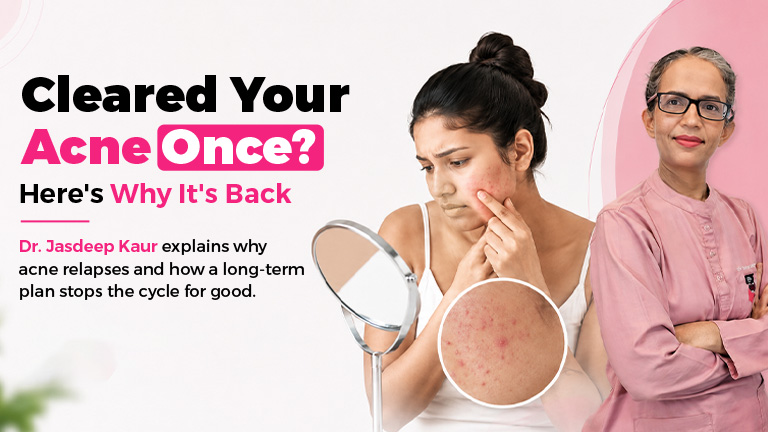
You did everything right. You followed the treatment plan, your skin cleared up, and then – a few months later – the breakouts returned, sometimes worse than before. If this sounds familiar, you’re dealing with one of the most frustrating patterns in skincare: acne that keeps coming back even after successful treatment. At SAB Clinic in Gurgaon, this is one of the most common concerns patients bring to Dr. Jasdeep Kaur, and the reasons behind it are more predictable than most people realise. This guide explains why acne relapses, what’s actually driving it, and how a proper long-term plan breaks the cycle instead of just treating the current breakout.
What Does It Mean When Acne “Keeps Coming Back”?
Acne relapse happens when breakouts return after a period of clear or significantly improved skin, often within weeks to months of stopping treatment. This doesn’t mean the original treatment failed – most acne treatments manage active breakouts, but they don’t always address the underlying triggers that caused the acne in the first place. Unless those root causes are identified and managed, new breakouts are likely to follow, even on skin that looked completely clear.
Causes of Recurring Acne
Hormonal fluctuations – androgens increase oil production, especially around periods, pregnancy, or PCOS
Stopping treatment too early – discontinuing medication as soon as skin clears, before the skin barrier stabilises
Incomplete root-cause diagnosis – treating symptoms without identifying hormonal, dietary, or genetic triggers
Comedogenic skincare or makeup – products that clog pores undoing treatment progress
Diet and lifestyle factors – high-glycemic diets, dairy sensitivity, and chronic stress
Bacterial resistance – overuse of certain antibiotics reducing treatment effectiveness over time
Touching or picking at skin – reintroducing bacteria and triggering inflammation
Genetics – a strong family history of acne increases relapse likelihood regardless of treatment
Symptoms
Early signs of relapse:
Small, occasional whiteheads or blackheads reappearing
Slight oiliness returning to previously balanced skin
Mild breakouts in the same areas as before (jawline, chin, forehead)
Advanced signs:
Cystic or painful nodules returning
Breakouts spreading beyond the original problem areas
New scarring or pigmentation forming from repeated flare-ups
Who Is Most at Risk of Recurring Acne?
Age: Teenagers and adults aged 20-35 are both commonly affected, with adult acne relapse rising in recent years
Gender: Women are more prone to hormonal relapse patterns tied to menstrual cycles and PCOS
Occupation: High-stress jobs and irregular schedules that disrupt sleep and diet
Genetics: Family history of moderate-to-severe acne significantly raises relapse risk
Lifestyle: High sugar/dairy intake, inconsistent skincare, high stress levels
Medical conditions: PCOS, thyroid disorders, and other hormonal imbalances
Types of Recurring Acne
| Type | Description | Common Trigger |
|---|---|---|
| Hormonal Acne | Breakouts along jawline and chin, cyclical pattern | Hormonal fluctuation |
| Comedonal Relapse | Blackheads/whiteheads returning gradually | Comedogenic products, incomplete routine |
| Cystic Relapse | Deep, painful nodules reappearing | Untreated root cause, genetics |
| Stress-Induced Acne | Sudden flare-ups during high-stress periods | Cortisol spikes |
| Post-Treatment Rebound | Breakouts shortly after stopping medication | Premature treatment discontinuation |
Diagnosis at SAB Clinic
When a patient comes to SAB Clinic with recurring acne, Dr. Jasdeep Kaur doesn’t just look at the current breakout – she investigates why it’s happening again. This typically includes:
Detailed history – previous treatments, duration of clear skin, and relapse pattern
Skin examination – to identify acne type, severity, and scarring risk
Hormonal evaluation (if indicated) – particularly for women with cyclical or jawline-focused breakouts
Lifestyle and skincare audit – reviewing diet, products, and routine for hidden triggers
Blood tests (if needed) – to check for PCOS, thyroid, or other hormonal contributors
This root-cause approach is what separates a maintenance plan from a repeat cycle of short-term fixes.
Treatment Options
Topical Retinoids
How it works: Regulates skin cell turnover and prevents pore clogging long-term. Best candidates: Patients with comedonal or mild-to-moderate relapse patterns. Benefits: Reduces new breakouts and improves overall skin texture. Procedure: Applied nightly as part of an ongoing skincare routine. Recovery: None; initial dryness or purging possible. Side effects: Mild irritation, sun sensitivity. Expected results: Visible improvement in 6-8 weeks. Sessions: Continuous use as maintenance. Success rate: High for long-term prevention when used consistently. Downtime: None.
Hormonal Acne Management
How it works: Addresses androgen-driven oil production through prescribed medication where clinically appropriate. Best candidates: Women with cyclical, jawline-focused, or PCOS-linked acne. Benefits: Targets root cause rather than surface symptoms. Procedure: Prescribed based on hormonal evaluation and history. Recovery: None. Side effects: Varies by medication; discussed during consultation. Expected results: Noticeable reduction in relapse frequency over 2-3 months. Sessions: Ongoing, monitored periodically. Success rate: Strong for confirmed hormonal acne. Downtime: None.
Chemical Peels
How it works: Controlled exfoliation clears clogged pores and reduces inflammation. Best candidates: Patients with comedonal or mild active breakouts alongside relapse history. Benefits: Improves skin texture, reduces pore congestion, helps prevent future breakouts. Procedure: In-clinic application of medical-grade peel solution. Recovery: Mild peeling or redness for a few days. Side effects: Temporary sensitivity, rare pigmentation changes. Expected results: Visible improvement after 3-4 sessions. Sessions: 4-6, spaced 3-4 weeks apart. Success rate: Good for prevention when combined with home care. Downtime: 2-3 days of mild peeling.
Maintenance Facials & Extraction
How it works: Professional deep-cleansing and extraction prevents pore buildup between flare-ups. Best candidates: Patients in the maintenance phase after active acne is controlled. Benefits: Keeps pores clear, catches early breakouts before they escalate. Procedure: In-clinic facial with guided extraction. Recovery: None to minimal redness. Side effects: Rare, mild irritation. Expected results: Ongoing skin clarity with regular sessions. Sessions: Monthly, as part of long-term maintenance. Success rate: High when combined with a home skincare routine. Downtime: None.
Comparison Table
| Treatment | Best For | Sessions | Recovery | Results | Cost |
|---|---|---|---|---|---|
| Topical Retinoids | Comedonal relapse | Ongoing | None | 6-8 weeks | ₹800-₹2,500/month |
| Hormonal Management | Cyclical/PCOS-linked acne | Ongoing | None | 2-3 months | Varies by evaluation |
| Chemical Peels | Prevention + texture | 4-6 | 2-3 days | 3-4 sessions | ₹2,500-₹6,000/session |
| Maintenance Facials | Long-term upkeep | Monthly | None | Ongoing | ₹1,500-₹3,500/session |
Why Combination Treatments Often Work Better
Recurring acne is rarely caused by one single factor – it’s usually a mix of hormonal activity, skincare habits, and pore congestion working together. Relying on just one treatment often means addressing one piece while the others continue triggering breakouts. That’s why Dr. Jasdeep Kaur typically combines a topical routine with in-clinic treatments and, where relevant, hormonal management – treating the skin, the trigger, and the maintenance routine as one connected plan rather than three separate problems.
Cost of Recurring Acne Treatment in Gurgaon (2026)
| Treatment | Approximate Price Range |
|---|---|
| Consultation | ₹800-₹1,500 |
| Hormonal Evaluation & Blood Tests | ₹1,500-₹4,000 |
| Topical Retinoid Regimen | ₹800-₹2,500/month |
| Chemical Peel (per session) | ₹2,500-₹6,000 |
| Maintenance Facial (per session) | ₹1,500-₹3,500 |
Exact cost depends on acne severity, relapse pattern, and the treatment combination recommended after clinical evaluation at SAB Clinic.
Recovery Timeline
Day 1: Mild redness possible after peels; no downtime for topical treatment start.
Week 1: Skin may purge slightly before improving with retinoid use.
Month 1: Reduced frequency of new breakouts with consistent routine.
3 Months: Noticeable stabilisation; fewer relapse episodes.
6 Months: Sustained clarity with maintenance treatments and routine in place.
Before & After Expectations
Most patients notice fewer and milder breakouts within the first 6-8 weeks of a structured plan, with more significant stabilisation by the 3-month mark. Full prevention of relapse depends on consistent maintenance and addressing individual triggers – SAB Clinic does not guarantee that acne will never return, as results vary based on hormonal, genetic, and lifestyle factors unique to each patient.
Aftercare Tips
Don’t stop treatment abruptly once skin clears – transition to a maintenance routine
Avoid switching skincare products frequently
Check makeup and sunscreen for non-comedogenic labelling
Change pillowcases and phone screens regularly
Avoid picking or popping breakouts
Keep up with monthly maintenance facials if recommended
Track breakout patterns to identify personal triggers
Stay consistent with follow-up appointments
Risks & Possible Side Effects
Common: Mild dryness or peeling from retinoids and chemical peels, temporary purging in early weeks. Rare: Allergic reactions to topical products, post-inflammatory pigmentation from picking or aggressive treatment. When to seek medical help: Sudden severe breakouts, painful cystic nodules, or signs of infection (spreading redness, pus, fever) should be evaluated promptly.
Prevention Tips
Stick to a consistent skincare routine even after skin clears
Avoid comedogenic products, including certain sunscreens and foundations
Manage stress through sleep and routine, as cortisol spikes are a known acne trigger
Monitor diet patterns, particularly high-glycemic and dairy-heavy intake, if you notice a link
Schedule periodic dermatologist check-ins even when skin looks clear
When Should You See a Doctor?
Acne returns within weeks of stopping treatment
Breakouts are more severe or widespread than before
Cystic or nodular acne reappears
New scarring or pigmentation is forming
Breakouts are accompanied by irregular periods or other hormonal symptoms
Why Choose SAB Clinic?
SAB Clinic is led by Dr. Jasdeep Kaur, a dermatologist with over 20 years of experience treating acne and recurring breakouts across a wide range of skin types common in Indian patients. The clinic focuses on identifying root causes rather than repeatedly treating surface symptoms, using FDA-approved treatment protocols and personalised maintenance plans. Patients receive structured follow-up designed to reduce relapse, not just clear the current breakout.
Frequently Asked Questions
Why does my acne keep coming back after treatment works?
Most acne treatments clear active breakouts, but if the underlying trigger – hormonal, dietary, or skincare-related – isn’t addressed, new breakouts often follow once treatment stops. Relapse doesn’t mean the treatment failed; it usually means the root cause wasn’t fully identified or managed alongside the initial treatment.
Is it normal for acne to return months after clearing up?
Yes, this is common, especially with hormonal acne that follows cyclical patterns. Some patients stay clear for months before a relapse trigger – stress, diet change, or hormonal shift – brings breakouts back. A maintenance plan significantly reduces how often and how severely this happens.
Can stopping treatment too early cause acne to come back?
Yes. Many patients stop treatment as soon as their skin looks clear, but skipping the maintenance phase often leads to relapse within weeks. Most dermatologists recommend continuing a modified routine even after visible improvement to stabilise results long-term.
Is hormonal acne treatable, or does it always come back?
Hormonal acne can be effectively managed with the right combination of treatment and monitoring, though it may require ongoing management rather than a one-time fix, particularly for conditions like PCOS. Consistent care significantly reduces frequency and severity of flare-ups.
Can diet really affect whether acne comes back?
For some patients, high-glycemic foods and dairy are linked to increased breakouts, though this varies by individual. If you notice a pattern between certain foods and flare-ups, discussing this with your dermatologist can help refine your treatment and prevention plan.
Does stress cause acne to relapse?
Yes, stress triggers cortisol release, which can increase oil production and inflammation, often leading to breakouts in people prone to acne. Managing stress through sleep, routine, and lifestyle changes is a meaningful part of long-term acne control.
Will my acne scars get worse if breakouts keep returning?
Repeated inflammation from recurring breakouts, especially cystic acne, does increase the risk of scarring and pigmentation. Addressing relapse early and avoiding picking at breakouts significantly reduces this risk compared to letting flare-ups run their course repeatedly.
How long does it take to stop acne from coming back?
With a structured maintenance plan, most patients see meaningfully reduced relapse frequency within 3 months, though full stabilisation can take longer depending on the underlying cause. Genetics and hormonal factors mean some patients require ongoing, long-term management rather than a fixed endpoint.
Can I use the same skincare products that worked before if acne returns?
Sometimes, but a relapse often signals that something has changed – a new trigger, hormonal shift, or product buildup – so revisiting your routine with a dermatologist is more effective than simply restarting the old regimen without evaluation.
Is adult acne relapse different from teenage acne?
Yes, adult acne relapse is more frequently linked to hormonal fluctuations, stress, and lifestyle factors, often appearing along the jawline and chin, whereas teenage acne is more commonly linked to puberty-driven oil production across the T-zone.
Do I need blood tests if my acne keeps coming back?
Not always, but if your dermatologist notices a hormonal pattern – such as jawline breakouts tied to your cycle, or symptoms like irregular periods – blood tests can help identify PCOS, thyroid issues, or other contributors that would otherwise keep triggering relapse.
What’s the difference between acne maintenance and acne treatment?
Treatment focuses on clearing active breakouts, while maintenance is the ongoing routine and periodic care that prevents new ones from forming. Skipping the maintenance phase is one of the most common reasons acne returns after successful initial treatment.
Final Call-to-Action
If your acne keeps returning despite trying treatment after treatment, the missing piece is often a proper root-cause evaluation rather than another short-term fix. Dr. Jasdeep Kaur and the team at SAB Clinic can help identify exactly what’s driving your relapse pattern and build a maintenance plan designed to keep your skin clear. Book a consultation at SAB Clinic, Gurgaon, and put an end to the breakout-clear-breakout cycle.